What’s More Sustainable: Cloth Diapers or Disposable Diapers?
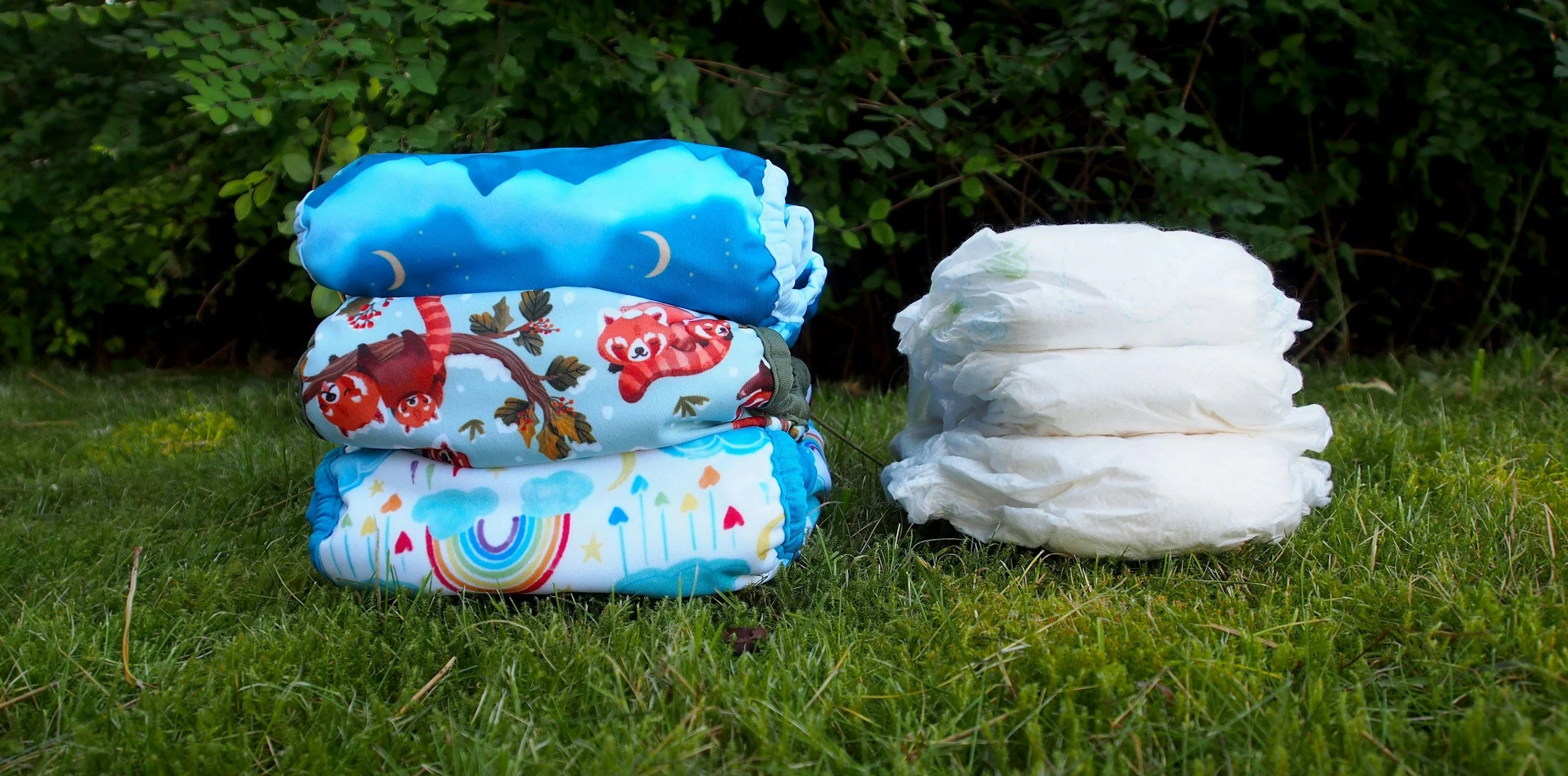
Becoming a parent comes with a sudden flood of choices and few feel as constant as diapering. In the U.S. alone, babies use 20–25 billion disposable diapers every year, creating more than 3.6 million tons of landfill waste annually. Since most disposable diapers contain plastics and super-absorbent polymers, they take hundreds of years to break down, and there is no practical recycling pathway for soiled diapers.
At the same time, cloth diapers require water, washing, energy, and detergent. So which is actually more sustainable?
Like most environmental questions, the real answer is more nuanced than the marketing slogans suggest.
Let’s look honestly at the tradeoffs.
The Environmental Impact of Disposable Diapers
Disposable diapers are a convenience product built for single use. The impacts add up across their full lifecycle:
1. Waste
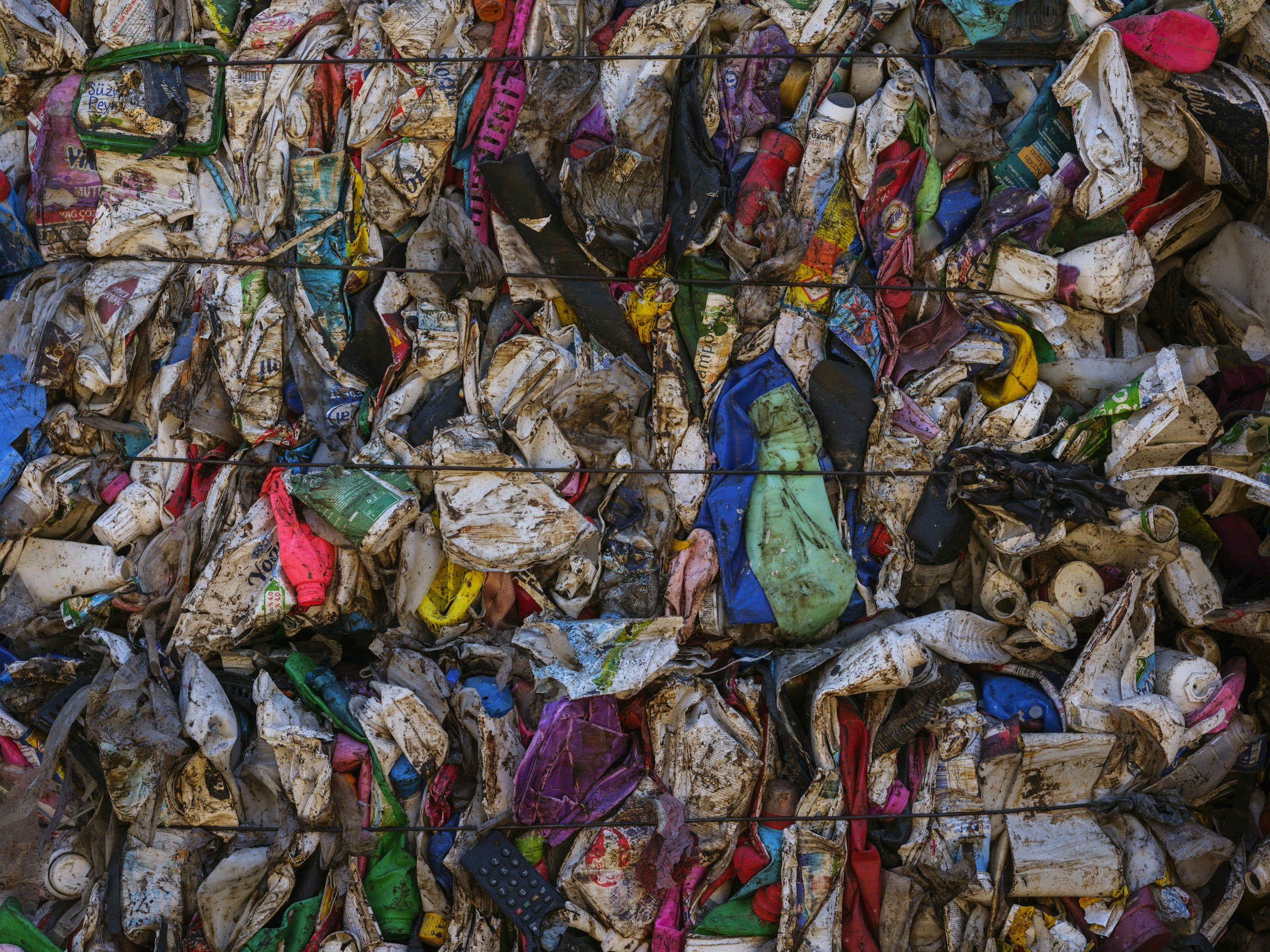
Each child uses 6,000 to 8,000 diapers before potty training. Every one of those ends up in the landfill. With human waste sealed inside plastic-lined products, this waste contributes to long-lasting contamination that cannot be composted or recycled.
2. Plastic Pollution
Up to 90% of disposable diaper material is plastic or plastic-derived, including liners, tabs, elastic, and packaging. These plastics are produced from fossil fuels and never fully biodegrade. They fragment into microplastics as they age.
3. Carbon Footprint
The manufacturing of pulp, plastic resins, absorbent polymers, packaging, and international shipping generates substantial emissions.
Lifecycle studies estimate each disposable diaper produces around 0.2–0.3 kg of CO₂e, resulting in over one ton of emissions per child over diapering years.
4. Resource Extraction
Disposable diapers rely on:
Petroleum (plastic components)
Timber (wood pulp)
Chemical processing (super-absorbent gels, dyes, adhesives)
All of these processes carry upstream impacts such as deforestation, water pollution, and energy use.
The Environmental Impact of Cloth Diapers
Cloth diapers eliminate landfill waste but shift impact toward washing and drying.
1. Water Use
Washing diapers typically adds about 8,000 to 15,000 gallons of water across full diapering years depending on:
Wash frequency
Machine efficiency
Load size
This water demand is real, especially in drought-prone regions.
2. Energy Use
Electricity or gas is required to wash and dry. Hot water washing increases energy consumption further, although most cloth systems work effectively with warm water cycles.
3. Detergent and Microfibers
Detergent runoff contributes to water pollution, and some synthetic fabrics release microfibers into waterways with each wash. Natural fibers like cotton, hemp, or bamboo reduce this concern.
4. Manufacturing Footprint
Cloth diapers require more energy and materials upfront to produce because each diaper is reused hundreds of times.

Which Has the Lower Carbon Footprint?
Most independent lifecycle assessments conclude:
Cloth diapers have a lower overall carbon footprint than disposables when:
Loads are washed efficiently.
Line drying is used regularly.
Diapers are reused for multiple children or passed on secondhand.
Washing avoids daily small loads.
With responsible laundering, cloth diapers reduce emissions by 40–60% versus disposables across the diapering period.
If cloth is washed in inefficient machines, dried exclusively using high heat, and used only for one child, the emissions benefits shrink, but rarely disappear entirely.
Water vs. Waste: The Core Tradeoff
The sustainability debate boils down to a difficult but important tension:
Disposables externalize impact as solid waste and plastic pollution.
Cloth internalizes impact through ongoing water and energy use.
Given that water can be replenished (and often increasingly treated with cleaner energy), while plastic waste is permanent, many environmental analysts conclude:
Avoiding single-use plastic waste is the greater environmental win over time. However, if you live in an area that is experiencing drought or water insecurities, that recommendation might change.
Cost Considerations
This part often surprises families.
TypeEstimated Cost Per ChildDisposable diapers$2,500–$3,500+Cloth diapers$500–$1,200 total
Cloth diapering costs drop dramatically for second and third children because the same diaper system is reused.
Convenience Reality Check
Let’s be honest: convenience matters especially at 3 a.m.
Disposable advantages:
Simple
Easy travel
No laundry
Cloth advantages:
Less landfill guilt
Lower long-term cost
Often better fit and fewer blowouts
Growing availability of modern all-in-one systems
Many families opt for hybrid approaches:
Cloth at home
Disposable at daycare
Cloth during the day, disposable overnight
Sustainability doesn’t require perfection to be meaningful. Partial adoption still cuts waste dramatically.
The Best Option is the One You Actually Use
A cloth diaper system gathering dust is less sustainable than responsibly using disposables part-time. The most impactful option is the one that fits your lifestyle and sticks long enough to meaningfully reduce waste.
That might be:
Full-time cloth.
Mixed diapering.
Only cloth for your second child after learning the ropes.
Progress matters more than purity.
Practical Tips to Reduce Your Diaper Footprint
No matter which route you choose, here’s how to minimize impact:
If You Use Cloth
Wash full loads only.
Use cold or warm water when safe.
Line dry whenever possible.
Choose natural fiber inserts.
Reuse diapers for multiple children or donate/resell afterward.
If You Use Disposables
Look for chlorine-free, lower-plastic options.
Avoid scented or unnecessary additives.
Consider compostable options where accepted (rare in the U.S.).
Use disposables strategically, not reflexively.
So… Which Is More Sustainable?
Cloth diapers are generally the more sustainable choice, especially when used efficiently and across multiple children.
They prevent:
Thousands of plastic items per child from entering landfill.
Long-term waste accumulation with no recovery pathway.
Higher total lifecycle emissions driven by one-time manufacturing.
That said, responsible disposable use still beats overconsumption or unrealistic ideals that lead to burnout and abandonment of sustainable practices entirely.
As always, environmental action should support families, not overwhelm them.
A Personal Note
When we welcomed our daughter, our family chose to cloth diaper using Esembly, and it’s been one of the most streamlined systems we’ve used. The simplicity and laundry setup made cloth feel genuinely doable, even for sleep-deprived new parents.
If you’re curious about our experience, you can read our full review here: Esembly Cloth Diapers Review: Our Honest Experience After 10 Months of Full-Time Use
And if you decide to give it a try, you can save 20% on your order with our discount code:
CFBABY20

No diapering choice is perfect for the planet — but every plastic diaper not sent to a landfill is a step forward.
Sustainability doesn’t start with perfection.
It starts with thoughtful choices, made with real families in mind.
Ready to begin your waste-free journey?
Subscribe to our newsletter for more sustainable living tips, or download our eBook to learn how to reduce your waste and live with intention.

Have you ever wondered how to create a more Waste Free Home? Such as, the importance of reducing waste, sustainable cleaning & swaps, how to have a more eco-friendly plate, the basics of composting and so much more! Purchase our all in one downloadable workbook that gives you a step-by-step guide on how to reduce waste in your home and how you can apply what you’ve learned to make your home more sustainable! With easy to follow action plan worksheets this will help you to track your progress and to implement everything you have learned to your daily life!
We couldn't be more excited to share with you our very first workbook and years of knowledge and education with all of you, in one easy to follow digital guide!
Waste Free Home
Want to create a more sustainable home but not sure where to start?
Our Waste Free Home downloadable workbook is your step-by-step guide to reducing waste and living more intentionally.
