The True Environmental Impact of Data Centers (and Why It’s Worse Than You Think)
When we talk about environmental problems, most people still think about plastic waste, deforestation, or pollution they can see. What almost no one talks about is the environmental footprint of the internet itself, even though it is growing faster than almost any other sector.
Every message you send, every video you stream, every AI prompt you type, and every photo stored in the cloud depends on data centers. These massive facilities run 24/7, quietly powering our digital lives. While the internet feels weightless, its infrastructure is anything but.

What data centers actually are
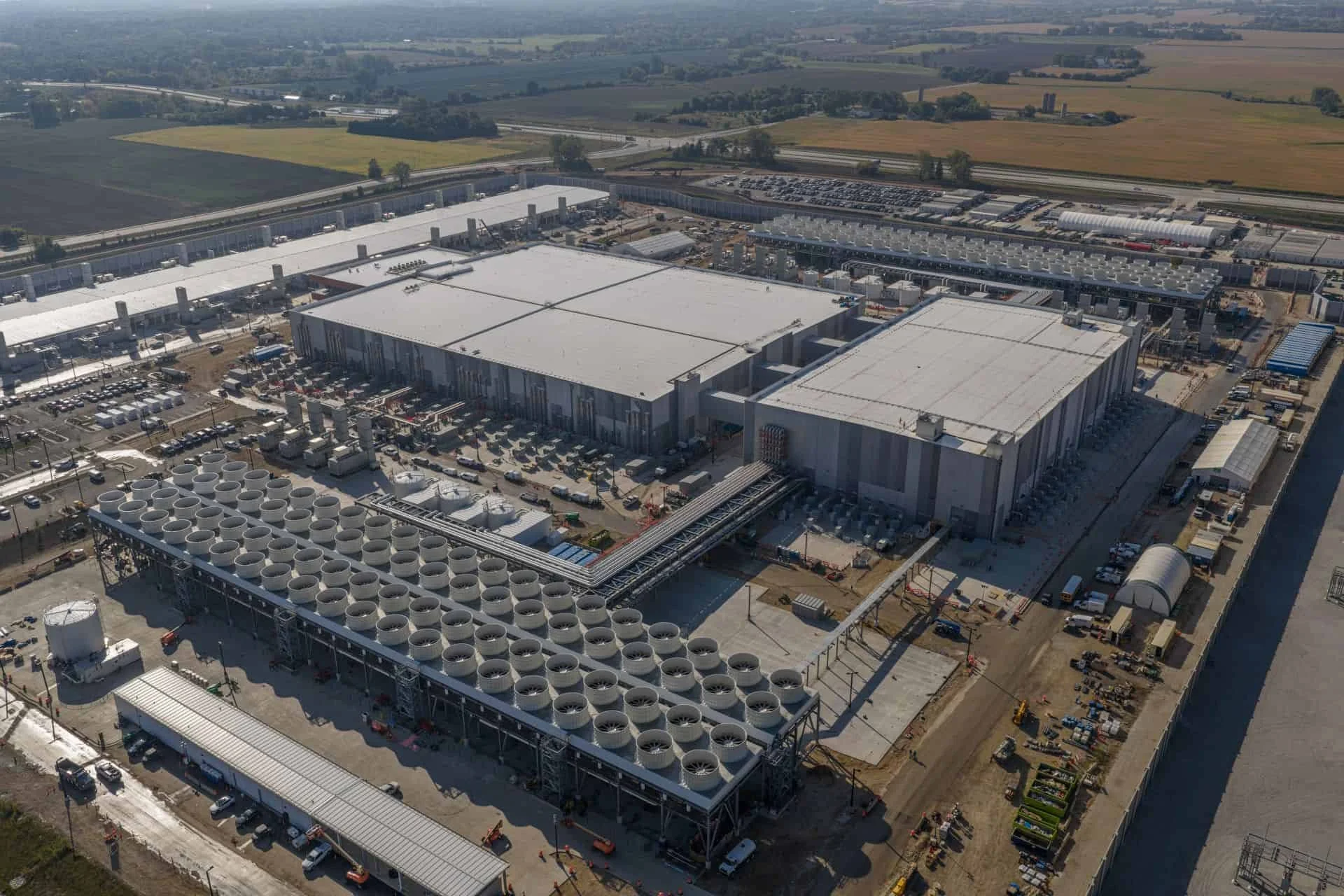
Data centers are large physical buildings filled with thousands, sometimes tens of thousands, of servers. These servers process, store, and transmit data for websites, apps, cloud services, and AI systems.
To function properly, they require continuous electricity, constant cooling, and backup systems running at all times. The challenge is that servers generate enormous amounts of heat. Without cooling, they would fail within minutes.
Cooling the internet comes at a cost
Cooling is one of the most resource-intensive aspects of data centers. Traditionally, many facilities rely on air cooling systems that use evaporation, a process that consumes vast amounts of freshwater.
A single large data center can consume up to 19 million liters (5 million gallons) of water per day, equivalent to the daily water use of a town with 10,000 to 50,000 people. Even medium-sized data centers can consume over 380 million liters (100 million gallons) per year just to keep servers from overheating.
Around 80% of this water evaporates, removing it from local water systems. The remaining wastewater can overwhelm municipal treatment facilities. In regions where water is scarce, this directly competes with residential and agricultural needs.
Water, energy, and carbon are deeply connected
The water usage of data centers extends beyond just cooling. There are three main sources of their water footprint: on-site cooling, electricity generation (especially when powered by fossil fuels), and manufacturing of chips and servers. More than half of the electricity used by data centers still comes from fossil fuels, which require massive amounts of water to generate power. Coal and gas power plants alone account for tens of trillions of liters (billions of gallons) of water withdrawals each year. This means even virtual activity has a very physical footprint.
The AI factor
AI is accelerating this problem. Scientists estimate that a single 100-word AI prompt can consume roughly 0.5 liters (0.13 gallons) of water when accounting for cooling and energy use. This sounds small, but billions of prompts are generated every day. As AI servers grow more powerful, chip density increases, heat output rises, and cooling demands surge. Without systemic changes, water and energy consumption will scale alongside AI adoption.
Why this impact stays invisible
Unlike plastic waste or deforestation, data center infrastructure is hidden. It is built far from cities, shielded behind technical language, and rarely disclosed in detail. Many operators don’t track their water consumption consistently. Sustainability reports often focus on operational emissions, not the full life cycle of data centers, from raw material extraction to disposal.
This lack of visibility makes it easy to ignore a growing environmental risk until communities start feeling water shortages, rising energy prices, and ecosystem stress. Understanding the hidden cost of data centers is the first step. The next question is harder: can the digital world work differently?
How IdleForest helps
Innovative solutions like IdleForest are showing a way forward. Instead of relying exclusively on centralized data centers, IdleForest does not run heavy computations on users’ devices. It uses idle internet capacity that already exists, helping reduce the load on centralized data centers without affecting device performance. Tasks are executed using resources that already exist, which would otherwise go unused. This reduces dependence on standard data centers, lowers energy and water consumption, and avoids unnecessary resource waste, while helping build a smarter and more ecological way of keeping digital services running.
The environmental impact of technology goes far beyond what we can see, hiding behind the digital infrastructure that keeps our world connected. Every message sent, every video streamed, and every AI command contributes to significant consumption of water, energy, and carbon emissions. IdleForest shows that more conscious alternatives exist, leveraging idle resources that are already available and avoiding unnecessary waste. This approach demonstrates that it is possible to align technological innovation with environmental responsibility, proving that the digital future can be built sustainably. Rethinking how we design and use our systems is not just an opportunity, but a necessity: every conscious choice contributes to a technological ecosystem that grows without depleting natural resources, ensuring that innovation goes hand in hand with the planet’s balance, and showing that a greener digital world is possible.
Ready to begin your waste-free journey?
Subscribe to our newsletter for more sustainable living tips, or download our eBook to learn how to reduce your waste and live with intention.

Have you ever wondered how to create a more Waste Free Home? Such as, the importance of reducing waste, sustainable cleaning & swaps, how to have a more eco-friendly plate, the basics of composting and so much more! Purchase our all in one downloadable workbook that gives you a step-by-step guide on how to reduce waste in your home and how you can apply what you’ve learned to make your home more sustainable! With easy to follow action plan worksheets this will help you to track your progress and to implement everything you have learned to your daily life!
We couldn't be more excited to share with you our very first workbook and years of knowledge and education with all of you, in one easy to follow digital guide!
Waste Free Home
Want to create a more sustainable home but not sure where to start?
Our Waste Free Home downloadable workbook is your step-by-step guide to reducing waste and living more intentionally.
