Rebuilding Our Cities with Nature in Mind: How AquiPor Is Changing Urban Infrastructure
Introduction: The Concrete Conundrum
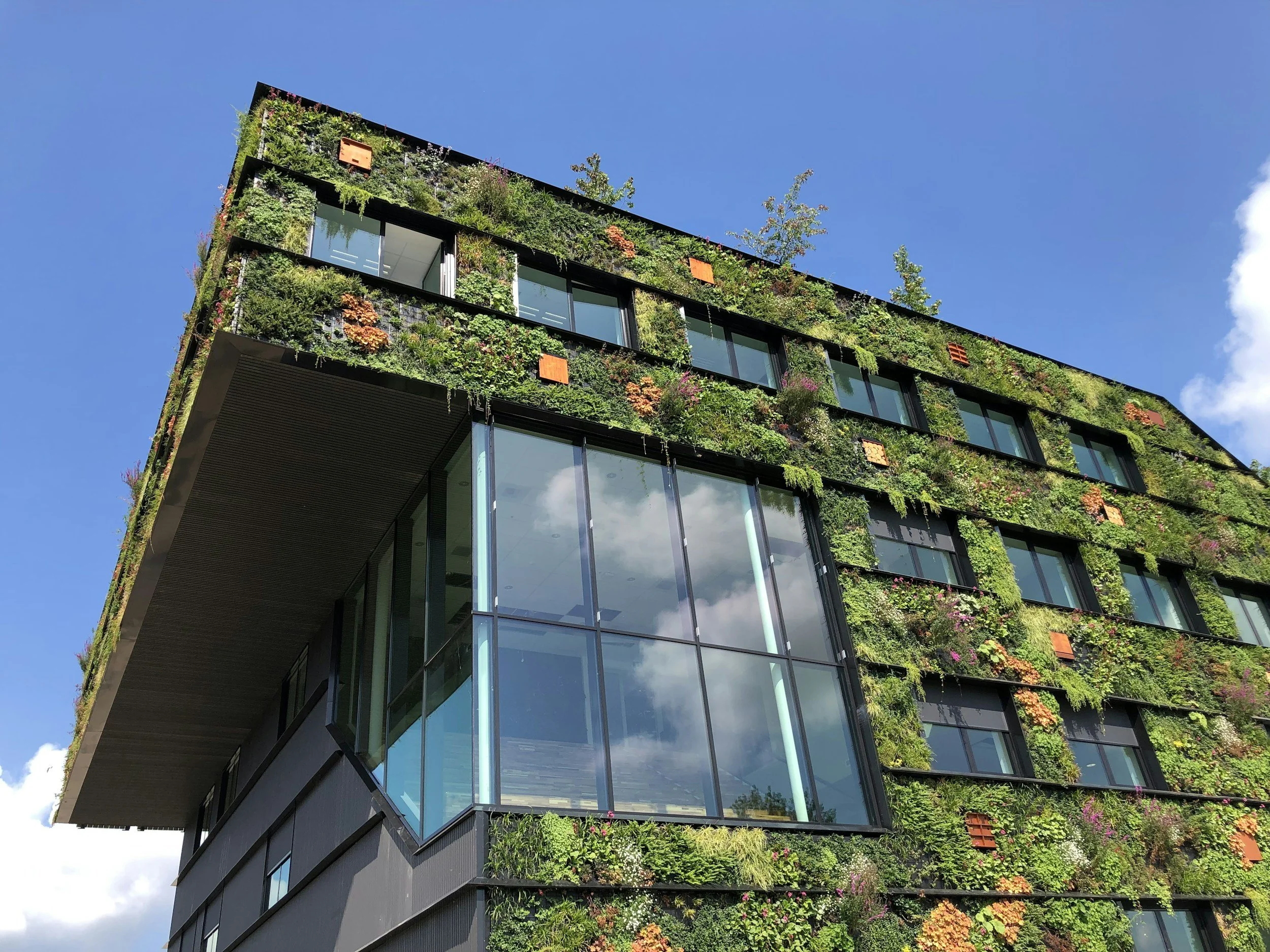
Cities are ecosystems in their own right, yet the materials we’ve used to build them have too often ignored ecological realities. Traditional concrete is strong but ecologically tone-deaf. It seals soil, blocks water, and accelerates climate risks. Rebuilding our cities with nature in mind requires rethinking materials from the ground up.
Resilient Infrastructure: A Shift from Grey to Green
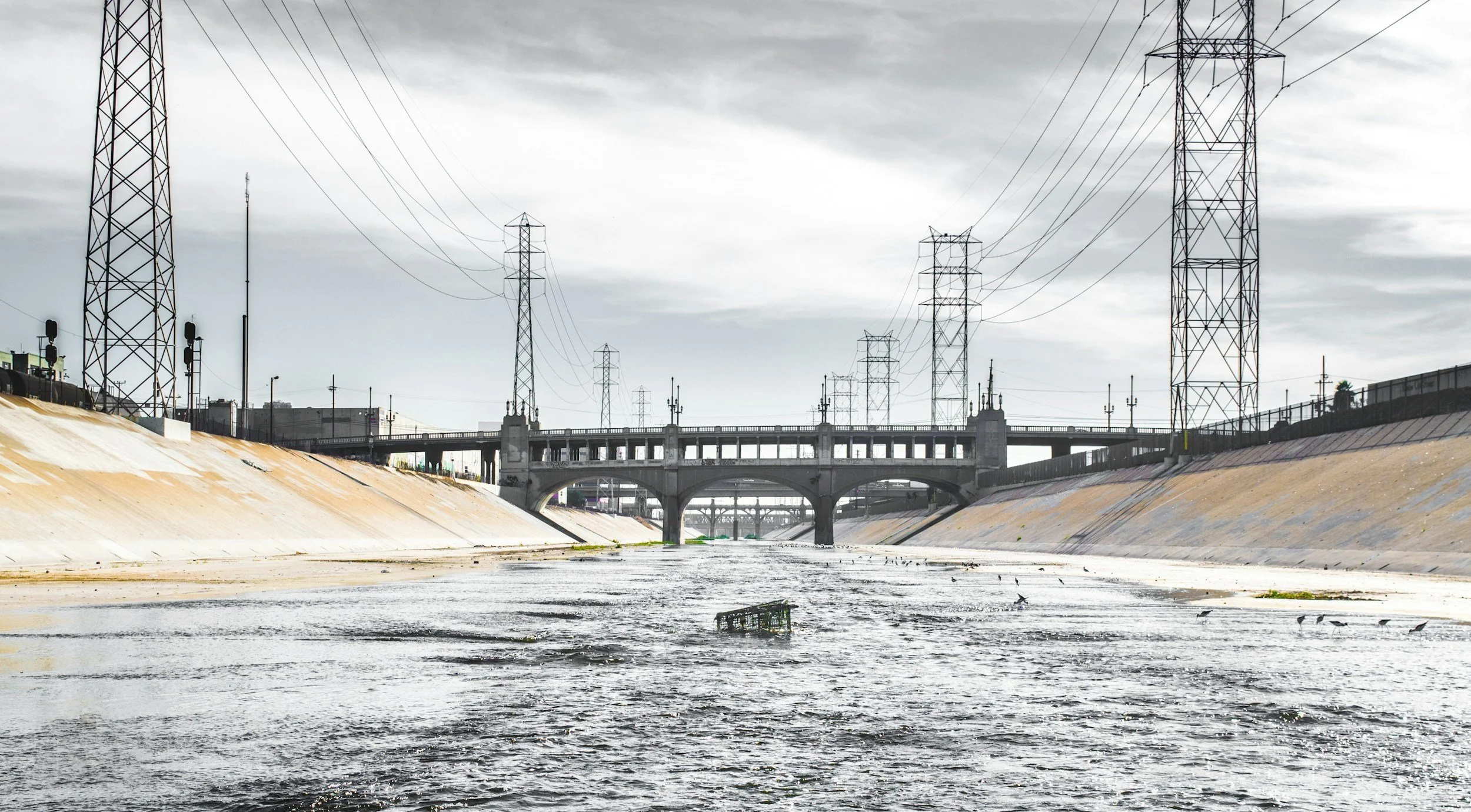
Historically, stormwater has been managed through “grey infrastructure”—pipes, channels, and treatment plants. While effective in the short term, these systems are costly and unsustainable as rainfall becomes more intense due to climate change. By contrast, green infrastructure works with nature: rain gardens, permeable pavements, and bioswales that let water infiltrate and filter naturally.
According to the World Resources Institute, cities that integrate green infrastructure can reduce infrastructure costs by 25–50% while delivering co-benefits such as cooler microclimates and biodiversity support. The business case is undeniable: less capital-intensive construction, fewer emergency costs, and higher resilience.
AquiPor’s Nature-Inspired Technology
AquiPor embodies the principles of green infrastructure with next-generation porous concrete. Its nanoscale porosity allows water to flow through without clogging, unlike older permeable pavements that often fail within a few years.
Key attributes include:
Pollution filtration: sediment and contaminants are trapped at the surface, preventing pollutants from entering groundwater.
Durability: engineered for freeze-thaw cycles and vehicle loads, AquiPor’s material lasts where earlier green technologies fell short.
Carbon efficiency: AquiPor’s production process cuts emissions dramatically, enabling infrastructure to align with climate targets.
The Business Case for AquiPor
For municipalities and private developers, AquiPor is more than a product—it’s an infrastructure investment strategy:
Capital efficiency: Less need for expensive underground pipes and storage.
Regulatory readiness: Many U.S. cities now mandate on-site stormwater mitigation. AquiPor surfaces make compliance seamless.
Climate alignment: Developers and cities are increasingly evaluated on ESG performance. AquiPor provides a clear, quantifiable metric of emissions reduction and resilience.
Aquipor Offers A Blueprint for Resilient Cities
Rebuilding with nature in mind requires a marriage of ecology and engineering. AquiPor’s porous, low-emission concrete represents that marriage. It cools surfaces, manages stormwater naturally, reduces emissions, and saves money over the long term. In short, it’s infrastructure designed not just for today, but for the climate realities of tomorrow.
Aquipor is currently raising capital. You can support their mission and get equity in the company by investing today!
Ready to begin your waste-free journey?
Subscribe to our newsletter for more sustainable living tips, or download our eBook to learn how to reduce your waste and live with intention.

Have you ever wondered how to create a more Waste Free Home? Such as, the importance of reducing waste, sustainable cleaning & swaps, how to have a more eco-friendly plate, the basics of composting and so much more! Purchase our all in one downloadable workbook that gives you a step-by-step guide on how to reduce waste in your home and how you can apply what you’ve learned to make your home more sustainable! With easy to follow action plan worksheets this will help you to track your progress and to implement everything you have learned to your daily life!
We couldn't be more excited to share with you our very first workbook and years of knowledge and education with all of you, in one easy to follow digital guide!
Waste Free Home
Want to create a more sustainable home but not sure where to start?
Our Waste Free Home downloadable workbook is your step-by-step guide to reducing waste and living more intentionally.
