When Buying New Is the Most Sustainable Choice
One of the hardest parts of living more sustainably is knowing when not to buy something.
At Waste Free Planet, we spend a lot of time encouraging people to buy less, repair more, borrow when possible, and choose secondhand before purchasing new. Those principles still matter. Every product requires raw materials, energy, transportation, and packaging. The greenest thing you can buy is often the thing that's already sitting on a shelf in your home.
But sustainability isn't about following rigid rules. It's about making thoughtful decisions that reduce harm over the long term.
Sometimes, buying something new is the better choice.
The Secondhand Dilemma
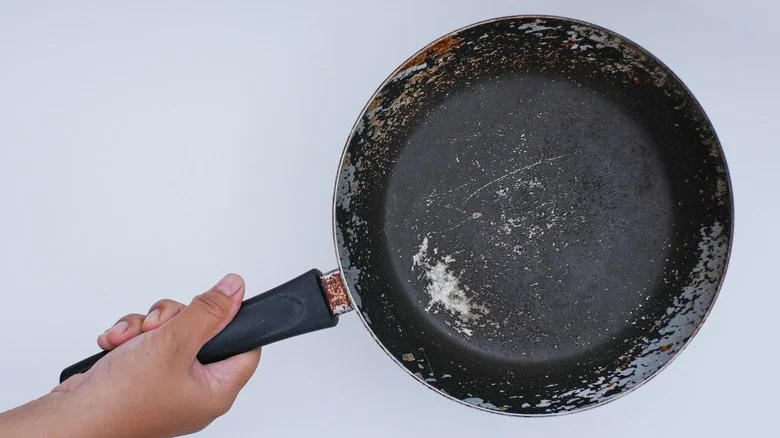
If you've ever searched thrift stores or Facebook Marketplace for cookware, you've probably found shelves filled with scratched nonstick pans, worn aluminum pots, and mystery-coated baking sheets.
They're inexpensive. They keep another product out of the landfill.
But that doesn't necessarily mean they're the best option.
Many older nonstick pans contain chemicals that have become increasingly concerning as research has evolved. Once those coatings begin to scratch or degrade, their performance declines, and questions about long-term exposure become more relevant. At the same time, inexpensive cookware is often designed with a relatively short lifespan, meaning it eventually ends up being replaced anyway.
Choosing secondhand is wonderful when it means extending the life of durable, high-quality products.
It's less compelling when the product was designed to be disposable from the beginning.
Quality Is an Environmental Decision
Imagine buying a well-made pan that lasts thirty or forty years.
Now compare that to replacing a cheap nonstick pan every three or four years.
Over a lifetime, the durable pan uses fewer raw materials, generates less manufacturing pollution, requires less packaging, and keeps countless discarded pans out of landfills. While its upfront environmental footprint may be larger, its lifetime impact is often dramatically smaller.
This is one of the biggest misconceptions about sustainability. We tend to focus on the moment of purchase instead of the entire life of the product. But sustainability isn't measured by a single transaction. It's measured by how long something serves its purpose before it needs to be replaced.
Longevity is one of the most overlooked environmental virtues.
Your Health Is Part of Sustainability
Environmental sustainability and personal health are often treated as separate conversations, but they're deeply connected. The products we bring into our homes don't simply affect the planet—they shape the environment inside our own homes as well.
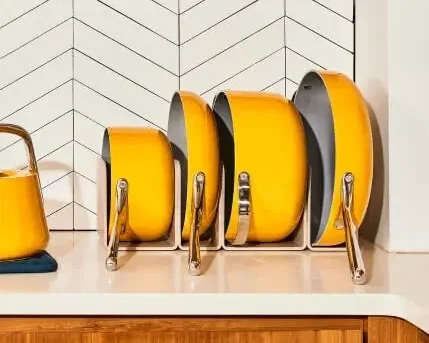
Cookware is one of the few household products that comes into direct contact with the food we prepare every day, often for decades. While buying secondhand is usually the preferred option, there are times when investing in new cookware made from durable materials like stainless steel, cast iron, carbon steel, or high-quality ceramic simply makes more sense. These materials are built to last, can often be restored rather than discarded, and don't rely on synthetic nonstick coatings that eventually wear out.
Protecting the planet shouldn't come at the expense of protecting ourselves. A truly sustainable home should support both environmental health and human health, recognizing that the two are inseparable.
Looking Beyond the Price Tag
One of the most expensive habits we can develop is buying inexpensive products that need to be replaced over and over again.
A quality pan may cost several times more than its bargain-bin counterpart, but if it performs better, lasts for decades, and never needs replacing, the math changes considerably. Instead of manufacturing, shipping, packaging, and disposing of ten different pans over the course of thirty years, you've purchased one product that continues doing its job year after year.
Every replacement carries its own environmental footprint. New raw materials must be extracted, factories consume energy to manufacture another product, trucks and ships transport it across the world, and eventually another worn-out pan finds its way into the waste stream. Choosing products designed to last interrupts that cycle and reduces our overall consumption, even if the initial purchase costs more.
Sustainability Is About Better Consumption, Not Zero Consumption
It's easy to believe that sustainable living means never buying anything new. While consuming less is an essential part of reducing our impact, refusing every new purchase can become its own form of perfectionism.
A better question is not, Can I avoid buying this?
Instead, ask: Will this replace something I'll have to buy again and again? Will it still be serving me twenty or thirty years from now? Was it designed to last, to be repaired, and to earn its place in my home?
When the answer to those questions is yes, buying something new can become an act of sustainability rather than a departure from it.
A Mindset, Not a Rulebook
Living sustainably has never been about checking every box or making perfect choices. It's about developing a mindset that values longevity over convenience, quality over quantity, and intentionality over impulse.
Sometimes that mindset leads us to a thrift store. Sometimes it encourages us to repair something we already own. And occasionally, it points us toward a new purchase because we recognize that investing in one exceptional product is far better than cycling through a dozen disposable ones.
The goal isn't to avoid buying things forever. The goal is to consume thoughtfully enough that we buy fewer things over the course of our lives. When we choose products that are built to last, safe to use, and capable of serving us for decades, we're reducing waste in one of the most meaningful ways possible.
Sustainability isn't about owning nothing. It's about surrounding ourselves with things that earn their place through years of faithful use. When we begin thinking in decades instead of months, we stop asking whether something is new or used and start asking a far more important question:
Will this still be serving me long after the alternatives have been thrown away?
Ready to begin your waste-free journey?
Subscribe to our newsletter for more sustainable living tips, or download our eBook to learn how to reduce your waste and live with intention.

Have you ever wondered how to create a more Waste Free Home? Such as, the importance of reducing waste, sustainable cleaning & swaps, how to have a more eco-friendly plate, the basics of composting and so much more! Purchase our all in one downloadable workbook that gives you a step-by-step guide on how to reduce waste in your home and how you can apply what you’ve learned to make your home more sustainable! With easy to follow action plan worksheets this will help you to track your progress and to implement everything you have learned to your daily life!
We couldn't be more excited to share with you our very first workbook and years of knowledge and education with all of you, in one easy to follow digital guide!
Waste Free Home
Want to create a more sustainable home but not sure where to start?
Our Waste Free Home downloadable workbook is your step-by-step guide to reducing waste and living more intentionally.
