Take Action
Sustainable BANKING
Plant Trees
ECO SWAPS
on the blog

Learn what the Roadless Rule is, how it protects millions of acres of national forests, and why the Trump administration is working to repeal it.
When we talk about building a more sustainable future, we often focus on the things we buy.
Reusable bottles. Repairable products. Compost bins. Solar panels. Electric vehicles.
Those choices matter. But they also assume something that isn't true for everyone: that people have the time, money, and security to make them.
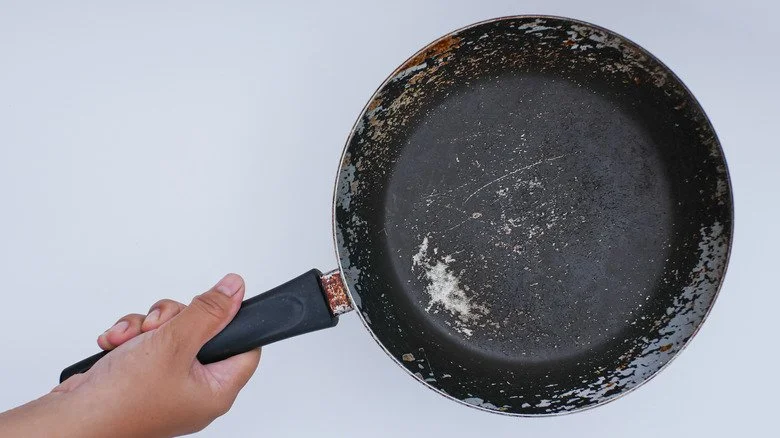
One of the hardest parts of living more sustainably is knowing when not to buy something.
At Waste Free Planet, we spend a lot of time encouraging people to buy less, repair more, borrow when possible, and choose secondhand before purchasing new. Those principles still matter. Every product requires raw materials, energy, transportation, and packaging. The greenest thing you can buy is often the thing that's already sitting on a shelf in your home.
But sustainability isn't about following rigid rules. It's about making thoughtful decisions that reduce harm over the long term.
Sometimes, buying something new is the better choice.

Every message you send, every video you stream, every AI prompt you type, and every photo stored in the cloud depends on data centers. These massive facilities run 24/7, quietly powering our digital lives. While the internet feels weightless, its infrastructure is anything but.
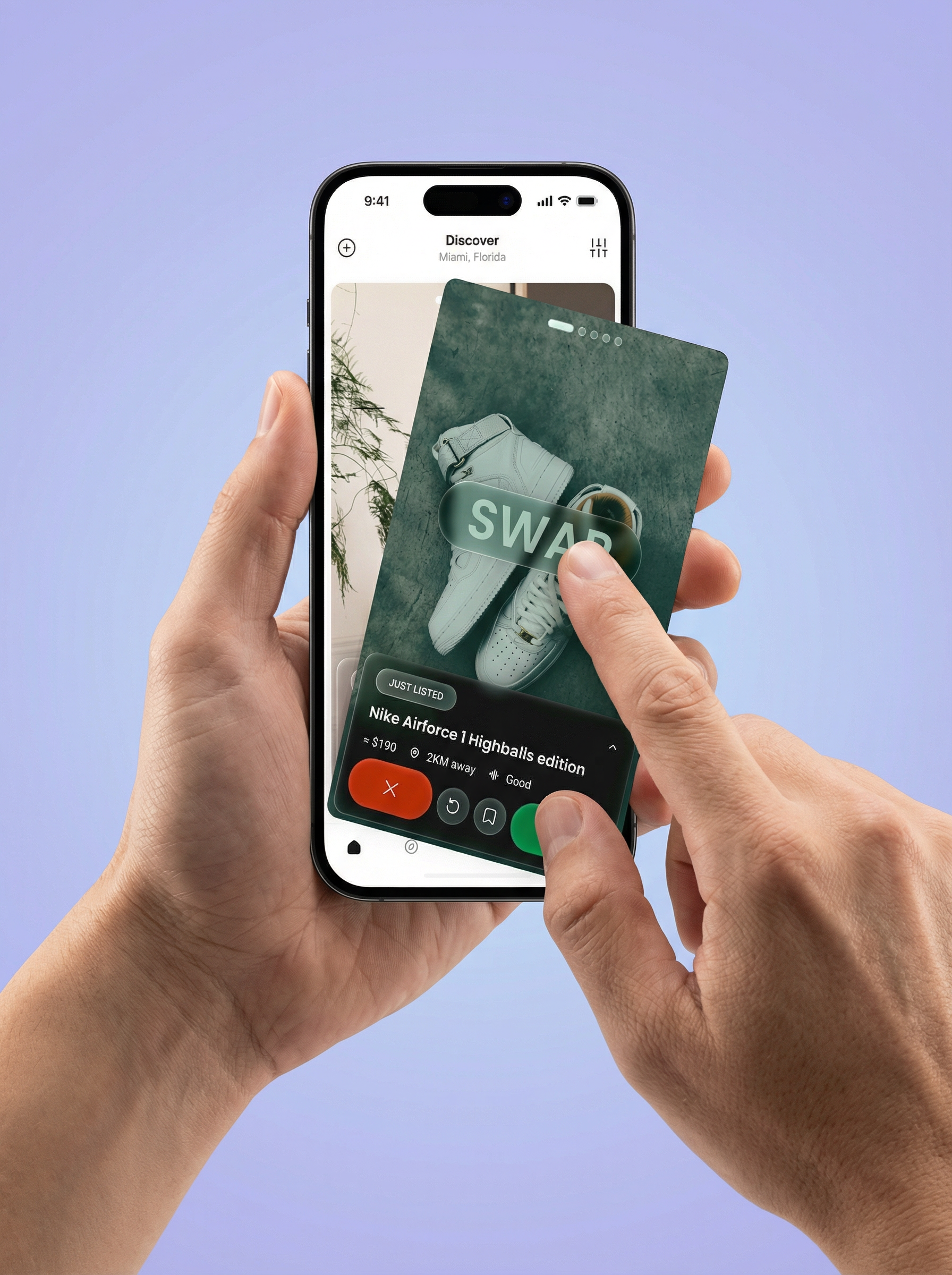
Discover Zèya’s latest features and how the barter economy can help you save money, reduce waste, and thrive in uncertain times.
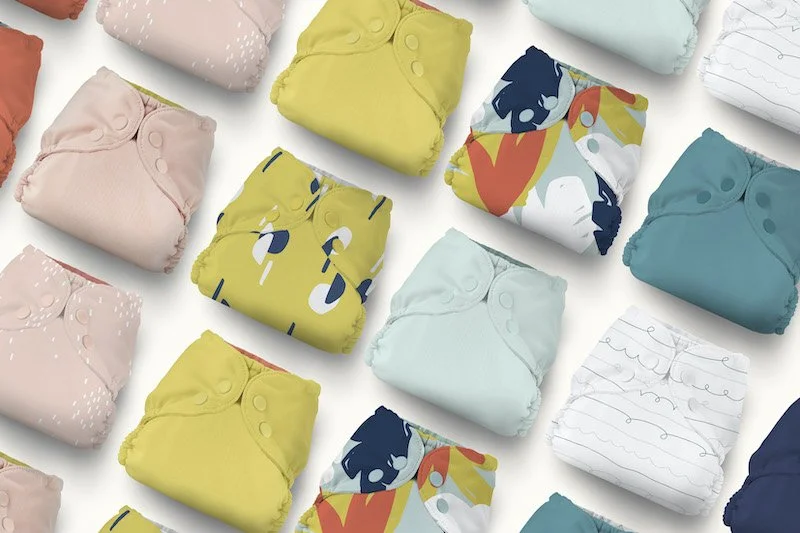
An honest 10-month review of Esembly cloth diapers from first-time parents committed to sustainability. Blowout protection, laundry reality, cost savings, daycare use, and our verdict.
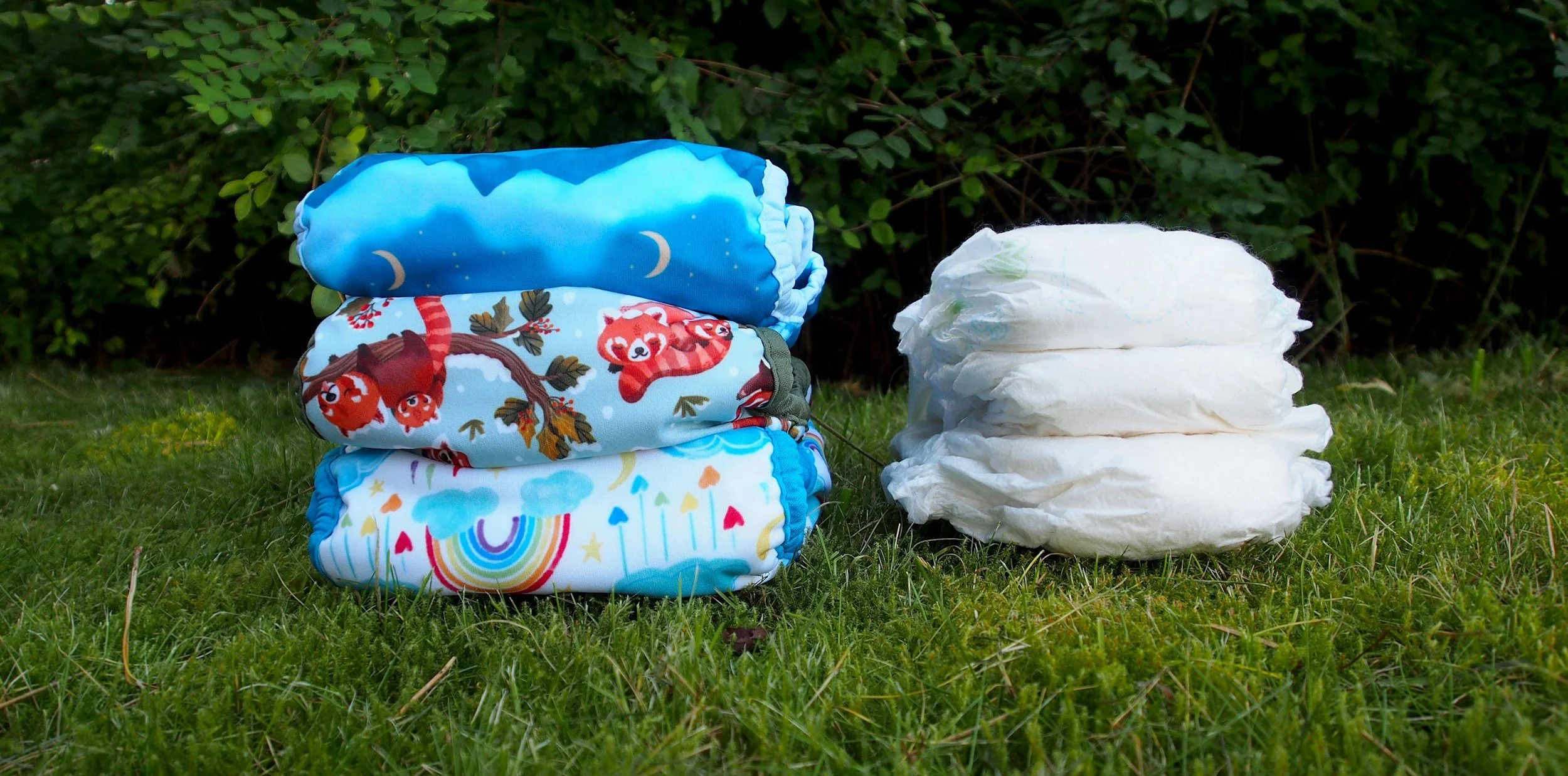
Are cloth diapers or disposable diapers more sustainable? We compare waste, carbon footprint, water use, cost, and convenience to help parents choose the most eco-friendly option.
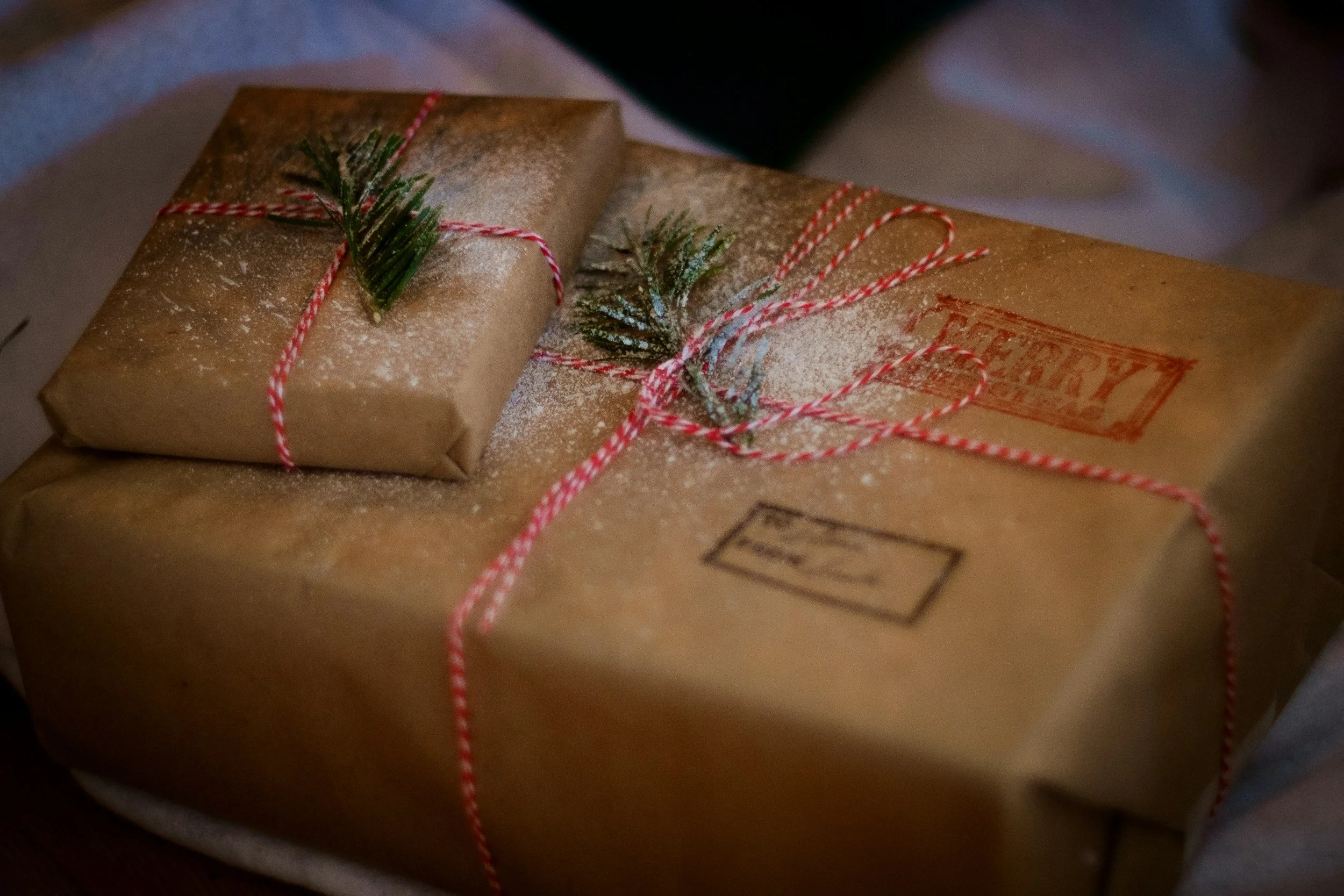
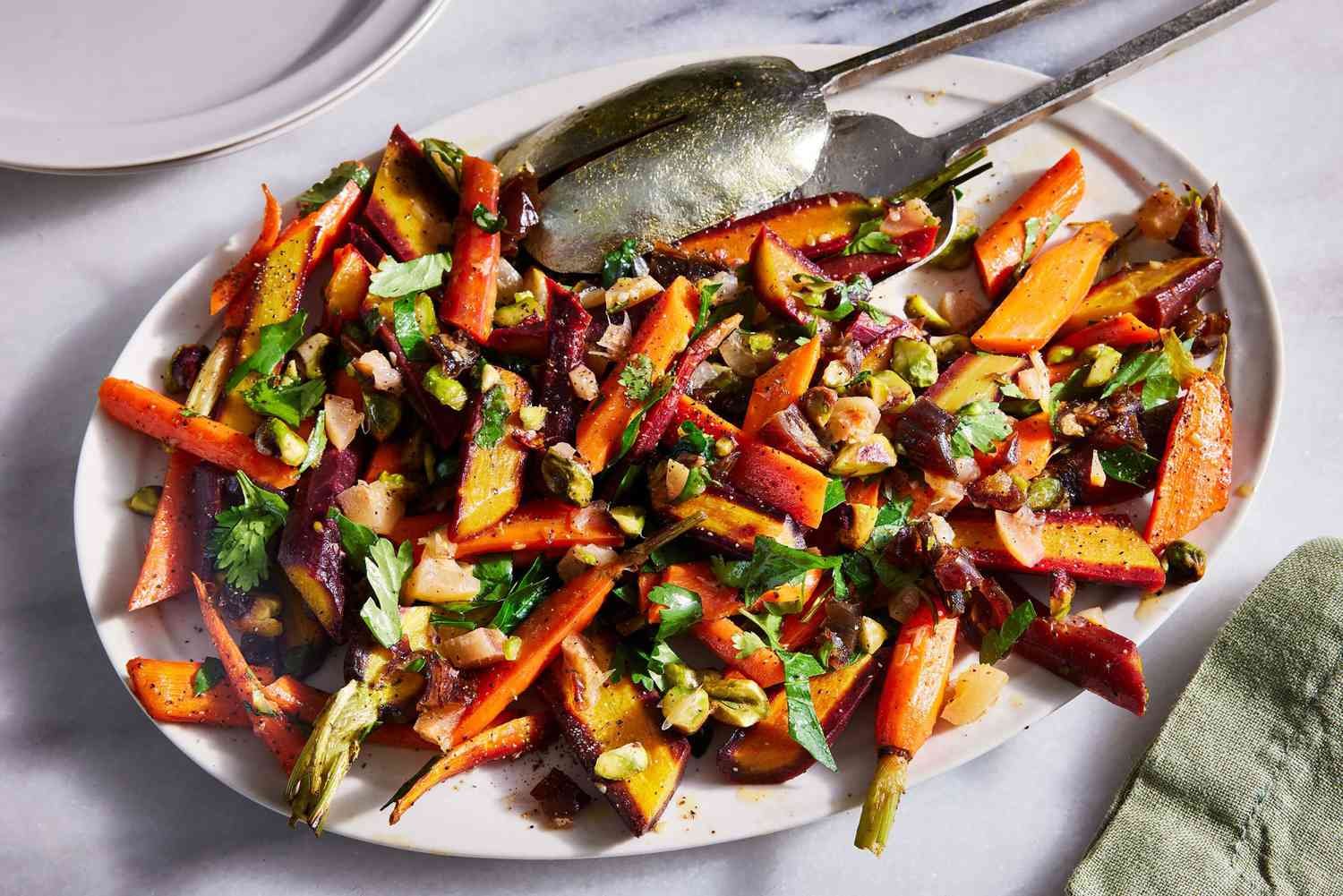
Celebrate your next Thanksgiving with less waste and more meaning: explore how introducing planet-based meal options, planning for leftovers, and switching to linen napkins can make your feast more sustainable without sacrificing excellence.
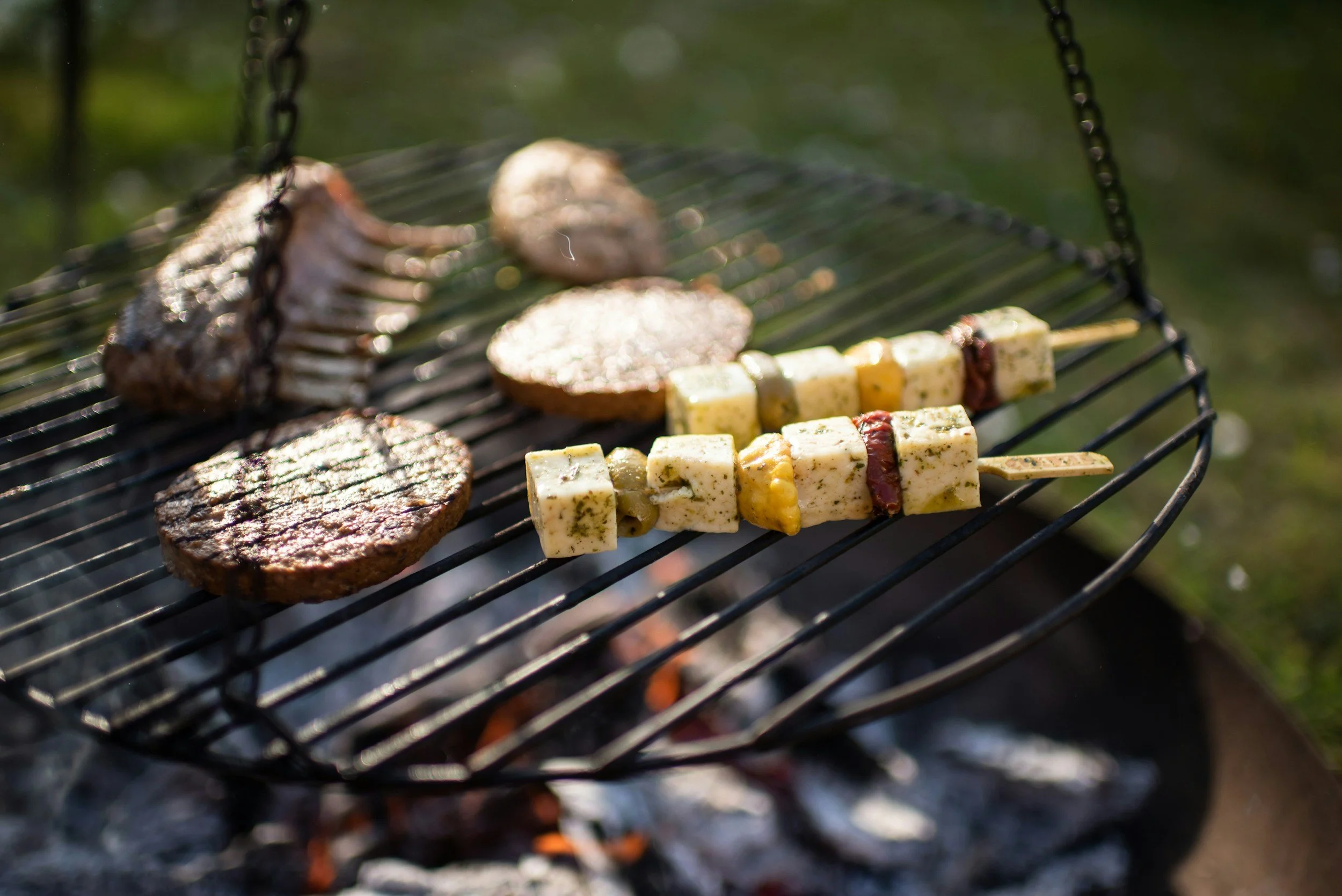
Which is better for the planet: local meat or imported tofu? We break down emissions, ethics, and the complexity of sustainable food choices.
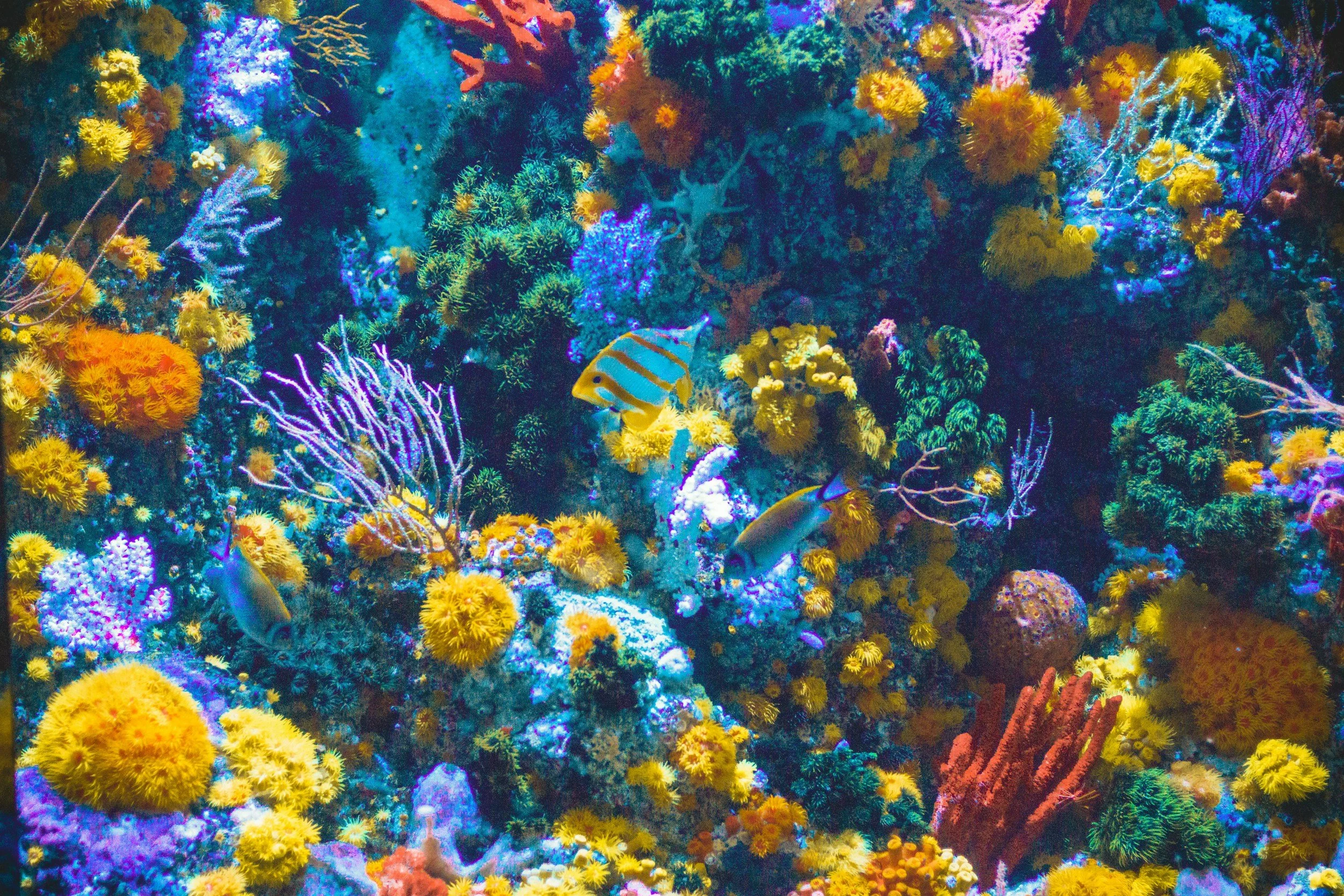

With 60% of holidaymakers reporting that sustainable travel is important to them, it’s clear that we’re becoming increasingly aware of the risks. So what exactly can we do to ensure our holiday experiences are kinder to the planet?

Today, we mourn the passing of Dr. Jane Goodall, one of the most inspiring conservationists and impactful scientists of our time. Throughout her illustrious and storied career, Jane was guided by compassion, curiosity, interconnectedness, and above all, hope.
Book Club
